


Mastering Roof Flashing Repair: A Step-by-Step Guide for Midland City, AL Homes
November 25, 2025
•
Written By
Heritage Roofing Solutions
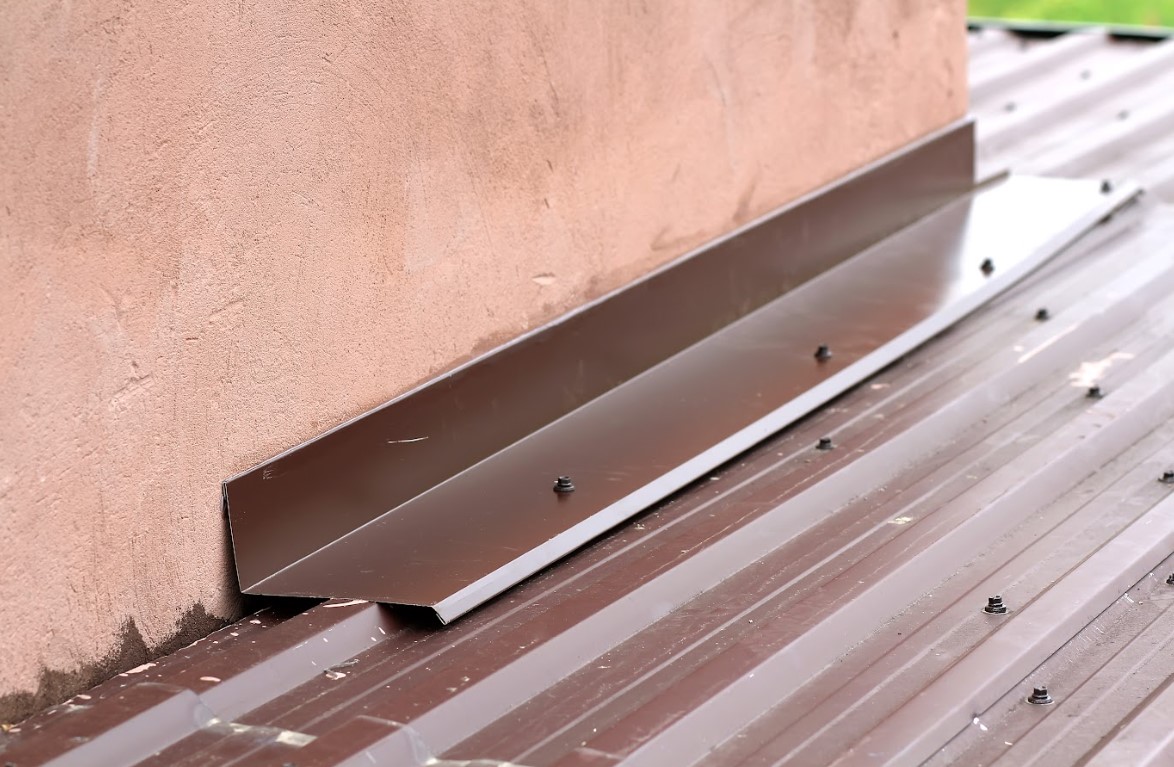
Here in Midland City, where the storms roll in with little notice and the sun bakes rooftops daily, there lies a humble but vital defender — one often unseen, nearly always uncelebrated. It is the roof flashing. Tucked along ridges, nestled into valleys, and wrapped tightly around chimneys and vents, this strip of metal is quietly protecting everything beneath it.
And yet, even the most modest component of a roof plays a role in the great cycle of shelter and exposure. It endures temperature swings, wind, moisture, and time. Eventually, it gives. And when it does, water makes its way inside — quietly, relentlessly.
Many homeowners ask, “What is roof flashing?”, or “Does roof flashing need to be repaired?” These questions, while simple, carry the weight of experience behind them. This guide offers answers — and equips you with a deeper understanding of how flashing works, why it fails, and what you can do to keep your home dry and protected.
In this article, you’ll learn:
- What roof flashing is and where it’s found
- How Midland City’s climate wears flashing down
- Signs that your flashing may need repair
- The step-by-step process of flashing replacement
- Why maintenance now can prevent major damage later
At Heritage Roofing Solutions, we believe in proactive care, honest inspections, and protecting homes one seam at a time.
What Is Roof Flashing and Why Does It Matter?
On the surface, a roof appears to be a single, unified shield. But in reality, it’s a complex arrangement of materials working in tandem — and flashing is one of its most important players.
Flashing is a thin, weather-resistant material — usually metal — installed where your roof intersects with vertical structures or changes in slope. Chimneys, skylights, dormers, sidewalls, and roof valleys all rely on flashing to divert water away from seams.
Without it, moisture seeps in. It doesn’t shout. It seeps. And in that slow progression, it weakens decking, rots insulation, and stains ceilings. Left unchecked, it invites mold — and rot follows not long after.
A Local Pressure Point: Weather’s Impact on Flashing in Midland City
In the southeastern climate of Midland City, flashing faces challenges few other regions experience. Here, metal expands in the midday heat and contracts again each evening. Tropical downpours, gusty winds, and long periods of humidity soften sealants and bend materials.
Over time, these shifts cause metal to warp, pull loose, or corrode. Even a gap smaller than your fingernail is enough for water to find its way in. That’s why regular inspection is essential — and why damaged flashing must be addressed without delay.
Preparing for Roof Flashing Repair: What You Need to Know
Before beginning any repair — whether with a trusted contractor or by your own hand — it's important to understand the essentials. Like any good preparation in nature, knowledge prevents missteps.
Identify the Flashing in Question
Not all flashing is created equal:
- Step flashing hugs walls and dormers.
- Chimney flashing wraps corners and bases.
- Valley flashing runs the length of low points in your roof.
- Drip edge flashing lines the eaves, guiding water into gutters.
Each type must be handled appropriately. Replacing one isn’t the same as replacing another.
Choose the Right Material
- Galvanized steel is cost-effective, but can rust over time.
- Aluminum is lightweight and resists corrosion — useful in humid climates.
- Copper, while expensive, lasts generations and weathers naturally.
Understand Local Requirements
In most cases, simple flashing repairs in Midland City don’t require a permit. But chimney flashing and structural adjustments may. At Heritage Roofing Solutions, we manage all necessary approvals to keep your repair smooth and compliant.
The Step-by-Step Process of Flashing Repair
Step 1: Observe Carefully
We begin with a close inspection. We look not just for damage, but for what caused it. Cracked sealant, rust streaks, loose nails — these are the clues. Water stains inside the attic? An invitation to investigate further.
Step 2: Remove the Compromised Material
Damaged flashing must be removed — carefully, so as not to disturb surrounding shingles or the underlayment below. Old nails and sealant are cleared. If the wood underneath is wet, it’s allowed to dry before continuing.
Step 3: Cut and Shape the New Flashing
With new material selected, we measure and cut it to fit precisely. Flashing must sit snug — not forced, not loose. We account for slope, overlap, and water direction. Like laying out a well-planned trail, every piece must guide water downward and outward.
Step 4: Secure and Seal
Using roofing nails or screws, we fasten the flashing into place. Edges are sealed with professional-grade caulk, weatherproof and long-lasting. Then, shingles are replaced or adjusted to cover the seam fully.
Step 5: Test and Confirm
If needed, we perform a light water test — ensuring the flashing does what it’s meant to do: redirect water without hesitation. The area is cleaned, debris is removed, and a final inspection brings peace of mind.
Materials and Lifespan: How to Choose Wisely in Midland City
Let’s examine the options more closely — not as abstract choices, but as tools selected for local survival.
Though copper comes at a premium, its longevity and minimal maintenance often justify the cost over decades.
Why Timely Flashing Repairs Matter
Some repairs can wait. Flashing is not one of them. It doesn’t fail loudly. It fails silently — and the damage builds slowly.
Here’s what well-maintained flashing prevents:
- Hidden leaks and mold growth
- Damaged roof decking and framing
- Energy loss due to compromised insulation
- Premature shingle wear around seams
And here’s what it ensures:
- A watertight seal during heavy rainfall
- Longer roof lifespan
- Peace of mind during storm season
At Heritage Roofing Solutions, we treat flashing with the attention it deserves — because we’ve seen what happens when it’s ignored.
Common Roof Flashing Questions from Midland City Homeowners
If you're wondering whether your roof flashing is doing its job or when it might need attention, you're not alone. Below, we’ve answered the most frequently asked questions we hear from homeowners across Midland City — all focused on this often-overlooked but essential roofing component.
What is roof flashing and where is it installed?
Roof flashing is a weather-resistant metal installed at critical roof joints and intersections. It's typically placed around chimneys, vents, skylights, and where roof slopes meet walls or valleys to keep water from seeping into your home.
Does roof flashing need to be repaired?
Yes, roof flashing does need to be repaired when it shows signs of damage or wear. Rust, gaps, cracked sealant, or lifted edges can allow water to enter, and early repairs help prevent costly structural damage later.
What are the signs that roof flashing is failing?
Signs that roof flashing is failing include water stains on ceilings, visible rust or corrosion on flashing, bent or missing pieces of metal, and leaks during rainstorms. You may also notice mold or mildew in the attic — another indicator that water is getting in.
Can you repair flashing without replacing the whole roof?
Yes, flashing can usually be repaired or replaced without needing a full roof replacement. As long as your shingles and decking are still in good condition, a targeted flashing repair is often all that's needed to stop leaks.
Is flashing repair covered by homeowners insurance?
Flashing repair is often covered by homeowners insurance if the damage was caused by a storm or other covered peril. Routine wear and tear may not be covered, but storm-related issues typically qualify — especially with proper documentation from a contractor.
How long should roof flashing last in Midland City?
Roof flashing in Midland City typically lasts 15 to 30 years, depending on the material and exposure. Galvanized steel and aluminum hold up well in most conditions, but copper can last 50 years or more, making it ideal for long-term performance.
How often should flashing be inspected?
Flashing should be inspected at least once a year, and after major storms. Because it's not always easy to spot damage from the ground, having a professional inspection ensures small issues are caught before they become expensive problems.
Closing Thoughts from the Rooftop
In the grand system of your home, flashing is quiet but crucial. It doesn't call attention to itself. But when it fails, your home listens — through leaks, stains, and structural decay. And here in Midland City, where the weather can turn quickly, it's not a question of if — but when — flashing will need attention.
At Heritage Roofing Solutions, we take nothing for granted. We treat flashing with the same care we give the whole roof. Because in the natural order of home protection, no detail is too small when the next storm is always on the horizon.
Schedule your free inspection today. Let’s make sure your roof is ready — quietly, confidently, and completely.
Recent Articles
Mastering Roof Flashing Repair: A Step-by-Step Guide for Midland City, AL Homes
Roof flashing is a critical component of any roof, but repairing it can be tricky. Our step-by-step guide will walk you through the process, ensuring your roof stays protected.
November 25, 2025

Signs Your Roof Needs Repair Before Winter Winds Hit in Taylor, AL
Learn how to recognize the early warning signs that your roof may need repairs and what to consider before hiring a contractor.
November 18, 2025

Roof Repair Contractors: Trusted Experts in Your Neighborhood in Rehobeth, AL
Your roof is one of your home's most crucial components. At Heritage Roofing Solutions, our experienced roof repair contractors are dedicated to protecting your investment with top-quality workmanship.
November 11, 2025
Roof Repair Services: Extending Your Roof's Lifespan in Level Plains, AL
Roof damage can be a major headache, but our roof repair services are designed to extend your roof's lifespan and protect your home. Let us assess and address any issues.
November 4, 2025