


Shoddy Vs. Superior Roof Installations : What is the Difference
December 11, 2025
•
Written By
Heritage Roofing Solutions
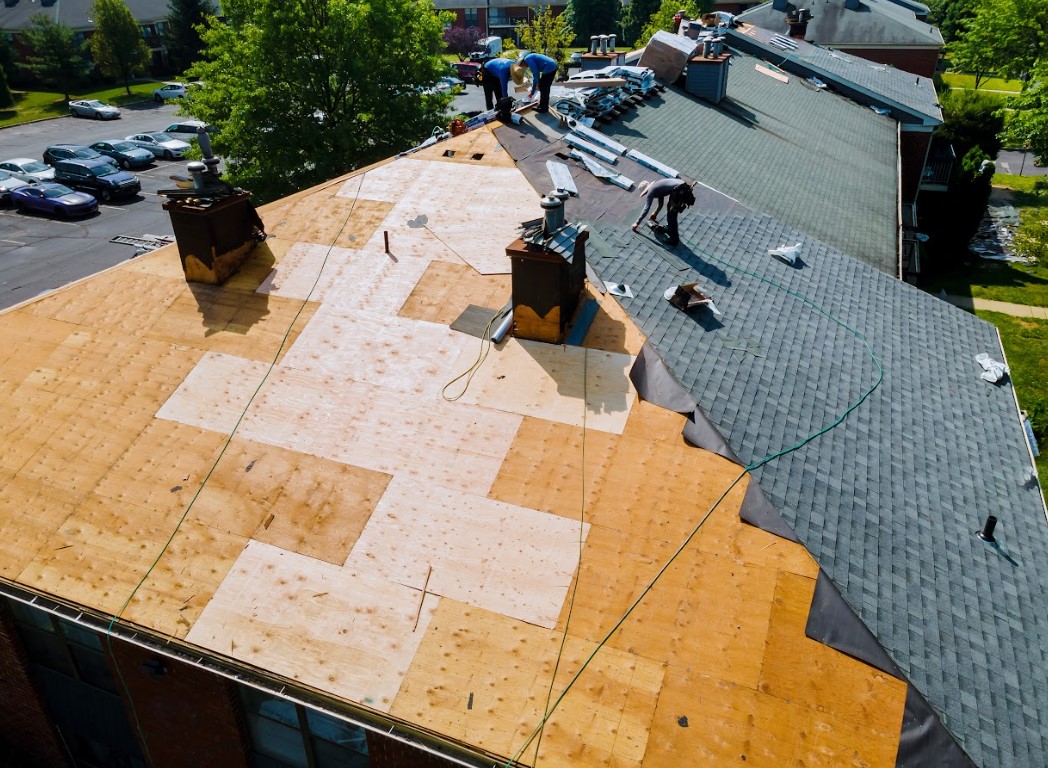
Observe, for a moment, a roofline—perhaps one familiar to you. It may seem quiet, still, unremarkable. And yet, beneath those layered shingles or panels lies one of the most important structures in a home’s defense against nature.
In Daleville, where sudden downpours test craftsmanship and midday sun bakes every surface, the quality of a roof installation is not just a matter of aesthetics. It is a matter of survival—for your home, your investment, and your peace of mind.
But not all roofs are built equally. Some are forged with care and precision. Others, hastily assembled, reveal signs of failure long before their time.
In this article, we explore the difference between a bad roof install and a truly professional roofing job. You'll learn how subtle signs on the surface can indicate larger problems beneath—and how to avoid them.
What This Blog Covers:
- The most common signs of a bad roof installation in Daleville
- Why Daleville’s weather makes roofing quality especially critical
- What separates shoddy craftsmanship from expert roofing
- How to protect yourself before, during, and after a roofing project
- What materials, ventilation, and warranties mean for long-term performance
- How to identify and hire good roofers in your area
- What to do if you suspect your roof was installed incorrectly
Concerned about your roof’s condition? Heritage Roofing Solutions can help with honest inspections and repairs done the right way.
Why Roof Installation Quality Matters More in Daleville’s Climate
Every region has its trials. For Daleville, it is the unpredictability of the weather—the fierce heat, sudden winds, and heavy rains. These forces put every layer of your roof to the test.
What Is a Roof Installation, Really?
At its core, a roof installation is a system. Not just shingles, but:
- The decking beneath
- Waterproof barriers and underlayments
- Flashing around penetrations and valleys
- Fasteners, seals, ventilation, and airflow systems
Each component plays a role. When one is neglected—or performed without skill—it jeopardizes the entire structure.
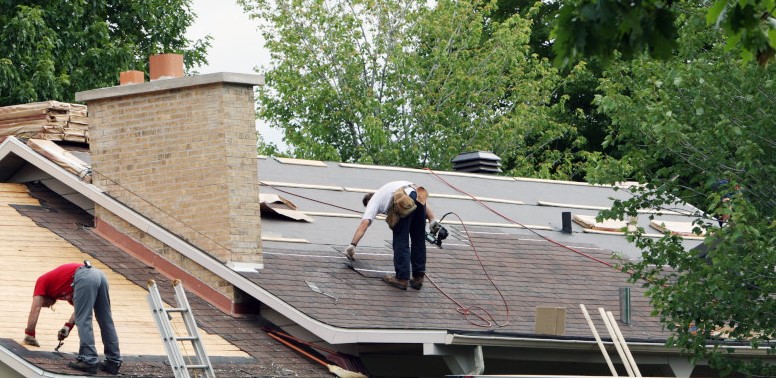
Daleville Weather and Its Demands
Shoddy installation can lead to quick deterioration under:
- High humidity, which softens decking and invites mold
- Blistering heat, which cracks low-grade materials
- Storm-driven winds that exploit weak fasteners
- Heavy rainfall that finds every tiny gap
In this climate, errors are not forgiven. They are magnified.
How to Protect Yourself Before Roofing Work Begins
A roof is only as good as the team that installs it—and the preparation that comes before.
Review Every Line of the Estimate
Make sure your roofing estimate includes:
- Specific materials (shingle type, flashing, underlayment)
- Labor details
- Ventilation plan
- Cleanup and waste removal
- Warranty coverage
Generalized or vague estimates may suggest corner-cutting.
Confirm Permits and Code Compliance
In Daleville, roof replacement requires a permit. Your contractor should know this—and follow it without question.
Ask About Ventilation
A well-ventilated attic reduces heat and moisture. It’s essential in our region and is often skipped by installers trying to save time.
Check for Workmanship and Manufacturer Warranties
Warranties only protect you if the job was done according to manufacturer guidelines. Insist on both: product warranties and a minimum 3-year workmanship guarantee.
How to Spot a Bad Roof Install (And Signs of a Great One)
Let us now examine what separates a poor installation from a lasting one. The clues are often visible—if you know where to look.
Signs of a Poor Roof Installation
Uneven Shingle Lines or Wavy Appearance
When shingles don’t lie flat or seem misaligned, it’s likely the installer skipped steps or rushed the layout. This not only looks wrong—it exposes your roof to water and wind damage.

Missing or Improper Flashing
Flashing around chimneys, vents, and valleys should be clean, sealed, and new. Reused or poorly attached flashing leads to leaks, often invisible until they’ve caused major interior damage.
Nails That Are Exposed, Crooked, or Too Few
Improper nailing is one of the most common signs of a bad roof install. Shingles that lift or blow off in storms typically weren’t fastened correctly.
Poor Ventilation or No Ridge Vent
Without proper airflow, attic heat rises. This can warp decking, shorten shingle life, and inflate energy bills—all signs of a poor install.
Leaks After the First Storm
Water inside the home within weeks of a new installation is rarely due to weather alone. It’s usually poor workmanship—failed flashing, missing underlayment, or improper sealing.
Deep Dive: How Material and Workmanship Shape Roof Longevity
Let’s step deeper into the roofing ecosystem and understand how choices in materials and installation methods affect long-term performance.
Materials Built for the Wiregrass
Not all shingles—or metals—are equal. At Heritage Roofing Solutions, we use:
- Architectural shingles, which resist wind better than 3-tab varieties
- Premium synthetic underlayment, more durable than traditional felt
- Custom-cut flashing, sealed to each unique penetration
- Ridge and soffit vents, designed to move air without letting moisture in
These choices aren’t upgrades—they’re necessities in Daleville.
Why Warranties Matter (And When They Don’t)
Some homeowners are surprised to learn their 30-year shingle has no warranty—because the installer skipped a required step. Manufacturer warranties are only valid if materials are applied to spec. A bad roof install voids them almost immediately.
With us, every roof meets or exceeds code and manufacturer requirements. Our 3-year workmanship warranty covers what others leave to chance.
Shoddy vs. Superior Roofing: A Simple Comparison
Frequently Asked Questions About Roof Installation Problems in Daleville
When it comes to protecting your home, even small installation mistakes can lead to costly consequences. Below, we answer the most common questions homeowners in Daleville ask when they suspect their roof may have been installed improperly.
What are the signs of a bad roof installation?
The signs of a bad roof installation include misaligned shingles, exposed or crooked nails, missing or reused flashing, poor ventilation, and early leaks. Each of these suggests that proper steps or materials were skipped during installation—putting your roof’s performance at risk.
Can a bad roof install void my warranty?
Yes, a bad roof install can void your warranty. Manufacturer warranties are only valid if the materials were installed to exact specifications, which shoddy work often fails to meet.
How do I know if I’ve hired good roofers in my area?
You can tell you’ve hired good roofers in your area if they offer clear estimates, pull required permits, follow code, use high-quality materials, and provide both workmanship and product warranties. Checking local reviews and project photos can also help confirm their credibility.
Can a poorly installed roof be repaired, or does it require full replacement?
A poorly installed roof can sometimes be repaired if the issue is isolated—such as flashing errors or improper ventilation. However, widespread problems with fasteners, underlayment, or decking often require a full replacement to avoid repeated issues.
How long should a properly installed roof last in Daleville?
A properly installed roof in Daleville should last between 25 and 30 years, assuming quality materials and correct installation methods were used. Roofs with poor installation often fail within 5 to 10 years.
Is it normal for a new roof to leak after one or two storms?
No, a new roof should not leak after the first few storms. If you experience leaks right away, it likely indicates poor flashing, gaps in underlayment, or fastener errors—all signs of substandard workmanship.
What should I ask for in a roofing estimate to avoid a bad install?
To avoid a bad install, ask for an estimate that includes full tear-off, new flashing, underlayment, ventilation, clean-up, and detailed labor charges. Avoid vague or verbal-only quotes—they often hide shortcuts.
Conclusion: When It Comes to Roofing, Details Define Durability
In nature, it is often the smallest things that determine survival. In roofing, the same is true. A missed flashing, a wrong nail, a skipped permit—each small decision echoes over time.
At Heritage Roofing Solutions, we take nothing for granted. Every roof we install is a system—measured, layered, sealed, and inspected with the future in mind. That is the difference between shoddy and superior, between reactive and proactive.
If your roof shows signs of failure—or if you want to ensure your next roof is built to last—schedule your free inspection today. Let us show you what quality looks like, one layer at a time.
Recent Articles
Residential Roofing
Shoddy Vs. Superior Roof Installations : What is the Difference
In Daleville, where sudden downpours test craftsmanship and midday sun bakes every surface, the quality of a roof installation is not just a matter of aesthetics. It is a matter of survival for your home, and your peace of mind.
December 11, 2025
Residential Roofing
Can I DIY a Roof Installation on My Own?
A DIY roof installation usually takes between 4 and 7 days, depending on roof size, and weather. In contrast, a licensed crew can typically complete the same project in 1 to 3 days.
December 8, 2025
Residential Roofing
Roof Installation: Ensuring Quality Craftsmanship in New Brockton, AL
Finding the right roofer in your neighborhood can be a daunting task. At Heritage Roofing Solutions, we're committed to providing reliable, high-quality roofing services to homeowners across the Wiregrass.
December 3, 2025

Residential Roofing
Metal Roofing and Its Long-Term Benefits for Your Home
In Daleville’s volatile climate marked by high humidity, scorching heat, and wind events that can border on the destructive metal roofing proves itself not only as shelter but as protection.
December 1, 2025